
Interview with Ann-Alicia Ilskov
I interviewed a senior executive producer at TV2, Denmark's largest media company.

My interviews have typically focused on Hollywood, but it’s a big world out there. How do films and television shows get made internationally? Luckily, I had the opportunity to speak with Ann-Alicia Ilskov, whose career has taken her across the Danish film industry as she’s produced multiple movies and television shows for Zentropa and TV2 Denmark. Our interview occurred at an Italian villa in Tuscany (full disclosure, the site of a family reunion, as Ann-Alicia is technically my first cousin once removed-in-law!) We discussed the differences in Danish and American comedy, the challenges of Danish programming, and her stint nannying for the Danish Royal Family.
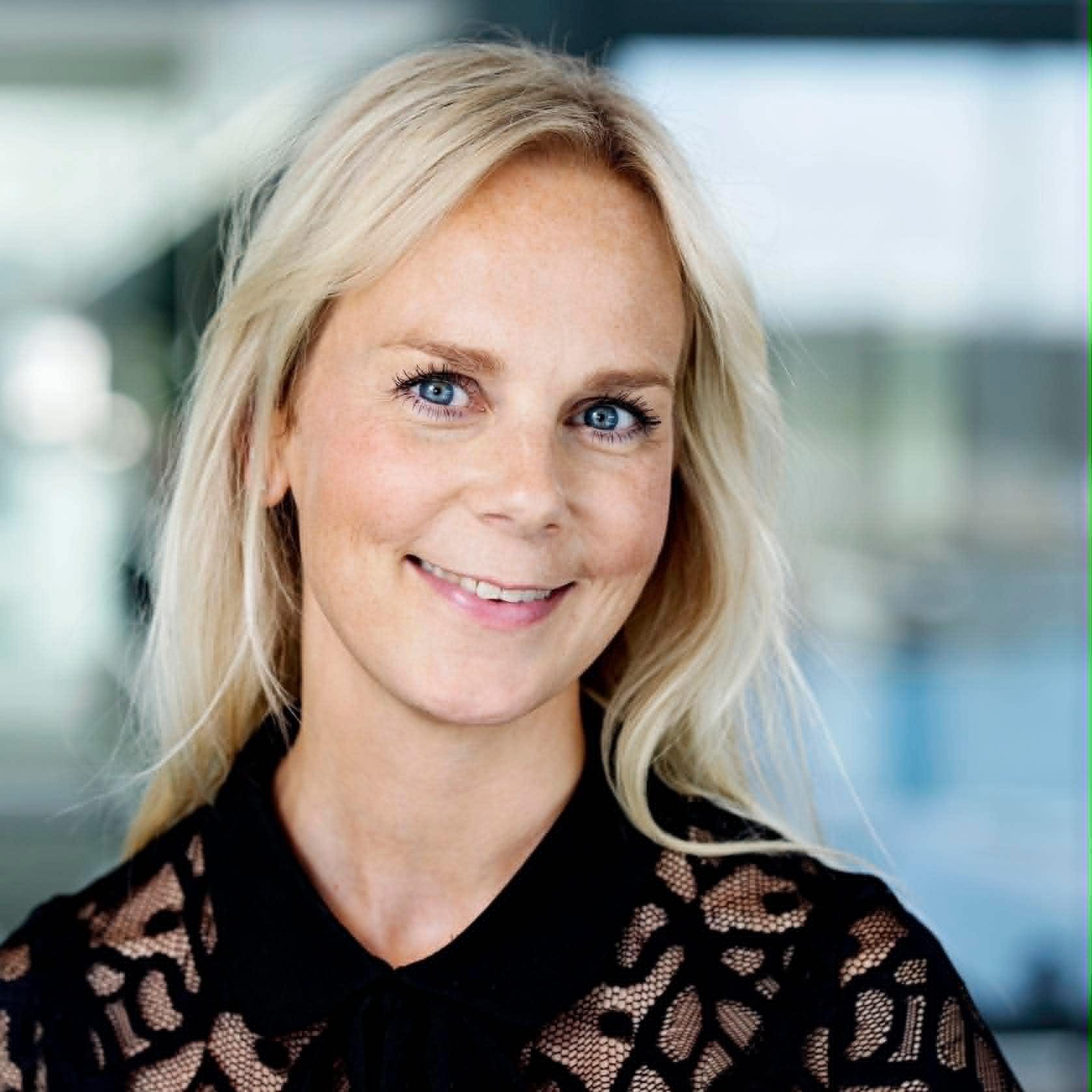
You’re a producer at TV2 in Denmark. Tell me a little about TV2 and what do you do in your job day-to-day?
TV2 is one of the biggest broadcasters or streaming services in Denmark. It’s a huge streaming service in the Nordics, but specifically based in Denmark for the Danish audience. But a lot of the shows that we do are being sold to different Nordic countries and different European countries that also show these shows. I’m actually a senior executive producer at TV2, and my job is to commission series, whether that’s Danish drama series or comedies or whatever else. I am the one responsible at TV2 to go through the whole show – from early pitches and all throughout the scriptwriting and then into the production and post production and the launch of this show. So I follow the show for many years.
That’s a very big deal! Did you always know that you wanted to work with film and television, or what got you interested in this field?
I never knew that I was going to do this. I wrote a lot of stuff in my spare time when I was younger, and I just loved everything about movies. And then I got married really young, and had two kids, and I went to college in Denmark, and studied media science, which is like communications. I was able to take classes on film and film history and stuff like that. For my final year, I did an internship with a production company in Denmark and became an assistant producer there, and that kind of kickstarted my career. And I just didn’t think I had any chance, because it was so hard to get into the movie industry in Europe and Denmark. But after that, I got a job with one of the most prestigious production companies in Denmark, called Zentropa, who made Another Round, as well as some other Oscar-winning movies. I was there for five years and did a couple of movies that did really well, and then TV2 Denmark contacted me and asked me if I wanted to come work for them. So that’s how I ended up where I am right now, which is amazing. I get to do what I love for my job. That’s my passion. And I often talk to my husband about this, that to do what is your passion for a living is very rare. Not a lot of people get to do that. So I feel very, very lucky.
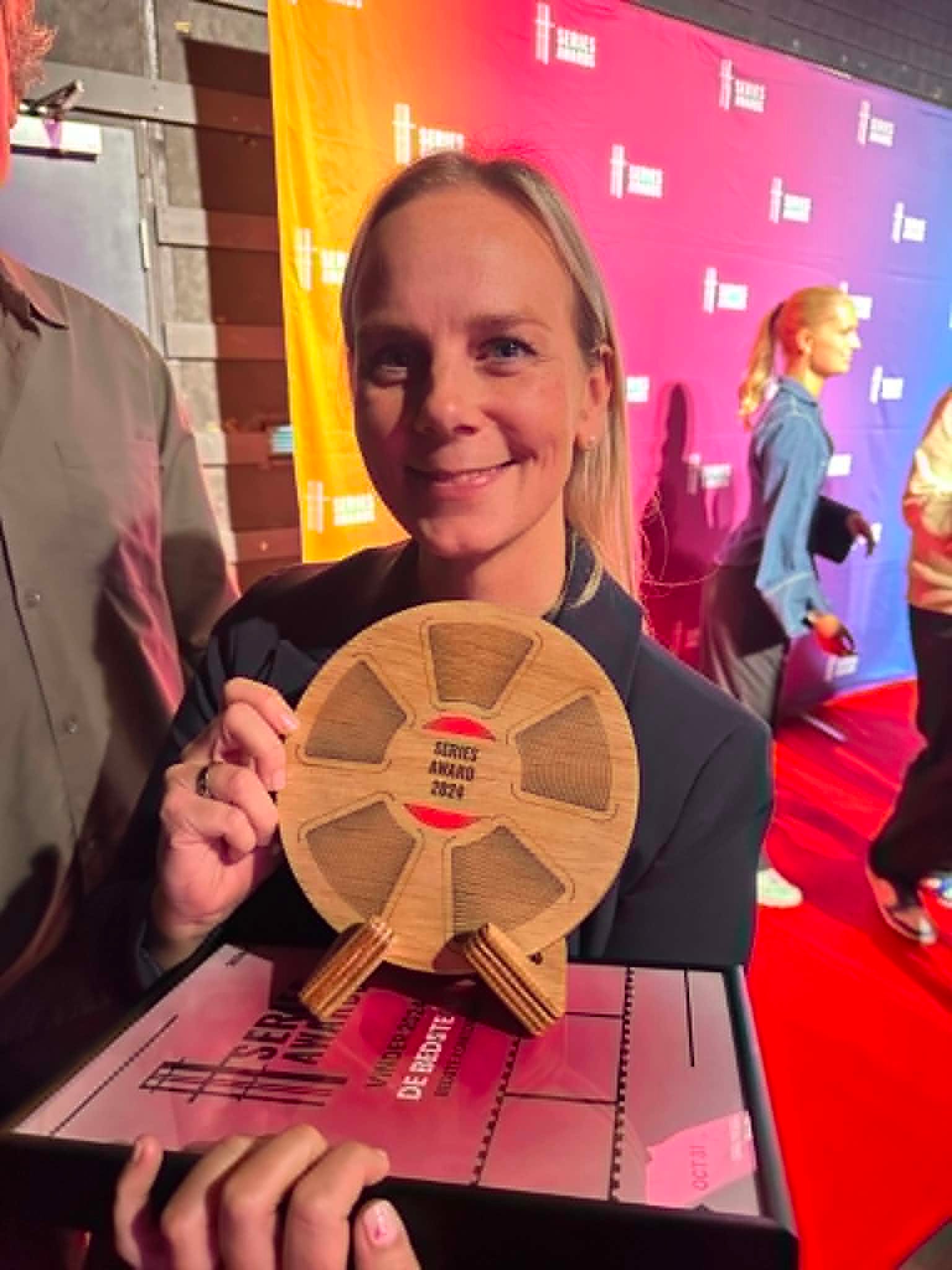
I can’t wait to talk about all of this! But I also want to bring up that you were also a nanny for the Danish Royal Family. Tell me about that!
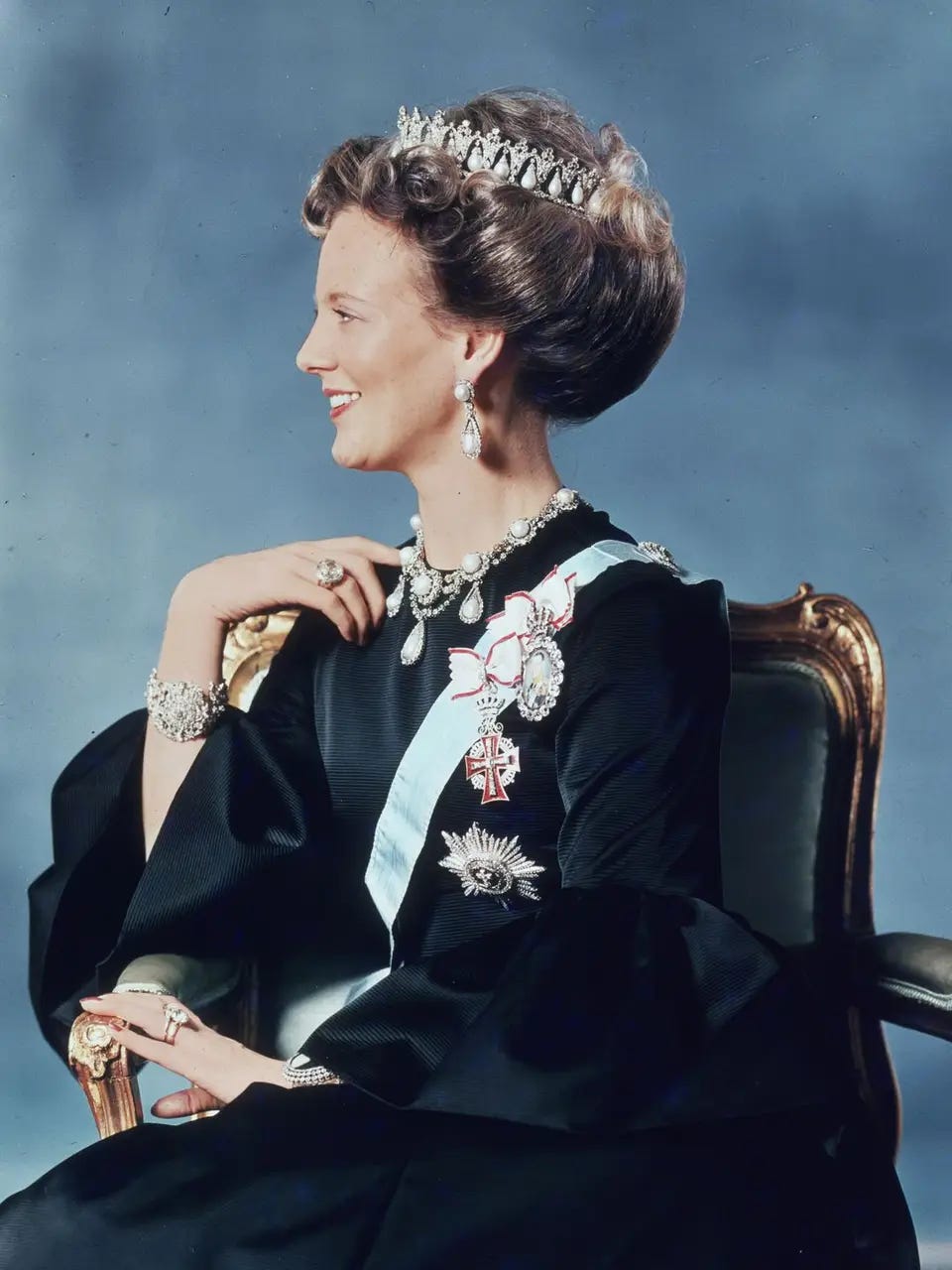
I was born and raised in Denmark, and then when I was 15, I moved to the United States, and then when I came back, around 17 or 18 years old, I needed a job, and I thought I wanted to be a nanny. I wanted to learn how to take care of a family. And so I applied for many different nanny jobs, and I got “No’s” all the time. My mother is a big fan of the Danish Royal Family; she has a picture of the Queen on the wall of her office. And I decided, “You know what? I’m just gonna apply for a job there.” There was no opening or anything; there never is with the Royal Family. But I was 18 and full of hope, and had nothing else to do, so I wrote an application and sent it to the castle, saying, “If you ever need a nanny, I’m here,” and I wrote a long story about myself. At first, the response was, “Thank you, but no thank you.” And then, a month later, actually on the Queen’s birthday, I got another letter from them, saying, “We actually are going to need a new nanny for the Prince’s small children. Would you like to come for an interview?” I was very nervous, but it all went really well, and I got the job, and I worked for them for five years. And while I was there, I got married in my early 20s, and then I stopped and had my own two kids. And I realized, “Everyone [else] has been to college. Everyone is working in the real world, and I have just been a nanny. What am I gonna do?” And that’s when I went to college.
Tell me about some of the projects you worked on, because you’ve got a real wide creative slate – what are you really proud of?
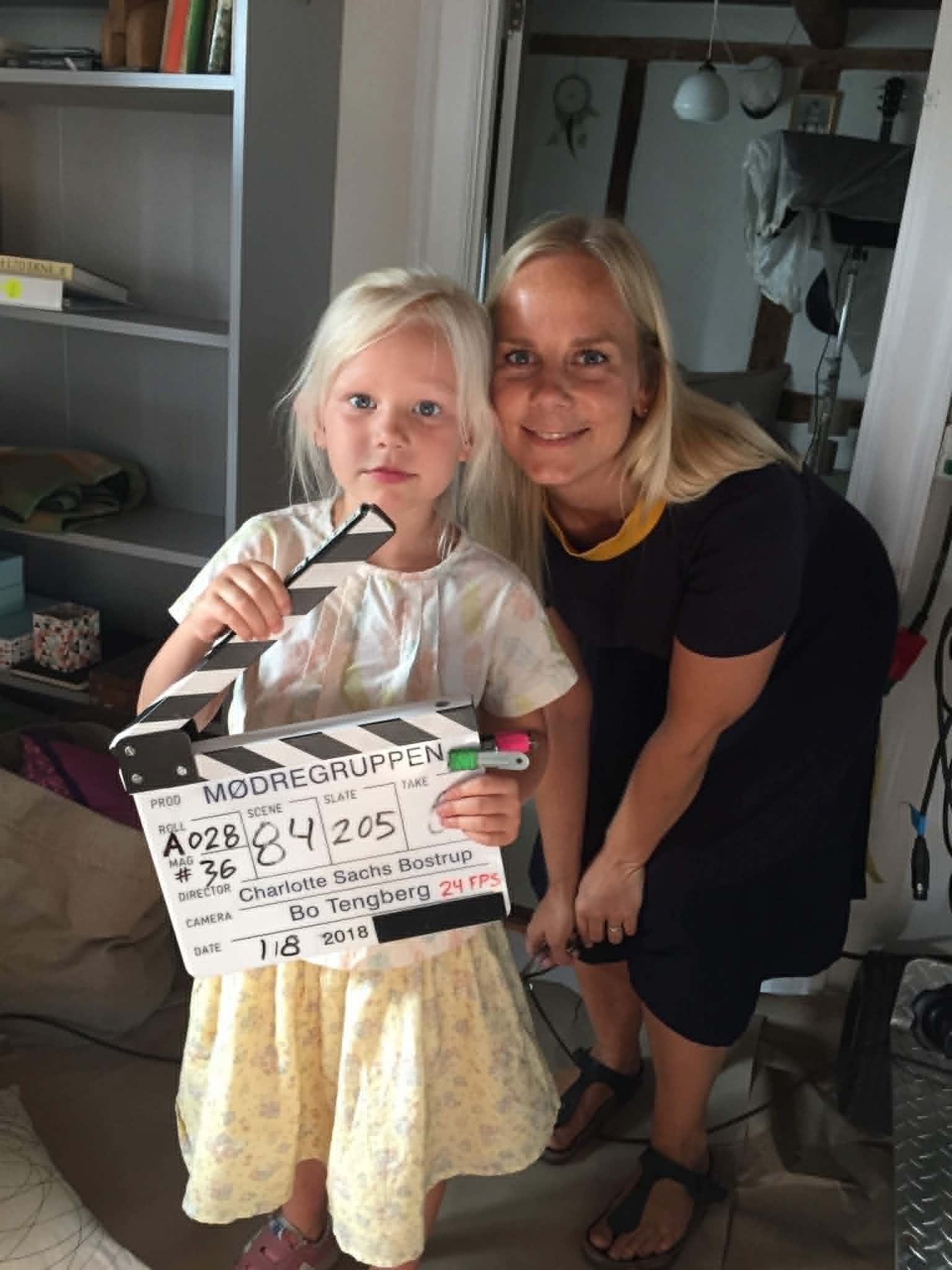
When I got my job at Zentropa it was a really big deal, because they have some of the biggest names in Danish film. But my pay was really horrible, especially considering I’d just done five years of university. The producer there [told me], “I’ll give you $1,500 a month, and you have to pitch me 3 ideas. And you have to get one of them into production within a year.” And I’d never produced a movie before! So I pitched three ideas. One of them was – well, in Denmark, they have something called Mødregruppe. After you’ve had your baby, they put all the mothers together that have given birth within the same month. It’s a way to connect mothers in the same town as you, you don’t know them. It’s like a mothering group. And you meet every two weeks with these mothers, and you talk about what it’s like becoming a new mother, and stuff like that. When I had my firstborn, I got into this mothering group in the city that I lived in, with all these women that I didn’t know. And within five minutes, we were talking about these very private things. “How was your birth? Mine was like this!” One of them, her boyfriend was a criminal. And I was like, “How did I end up in this group with these people?” But within a few months, I just started to love these women.
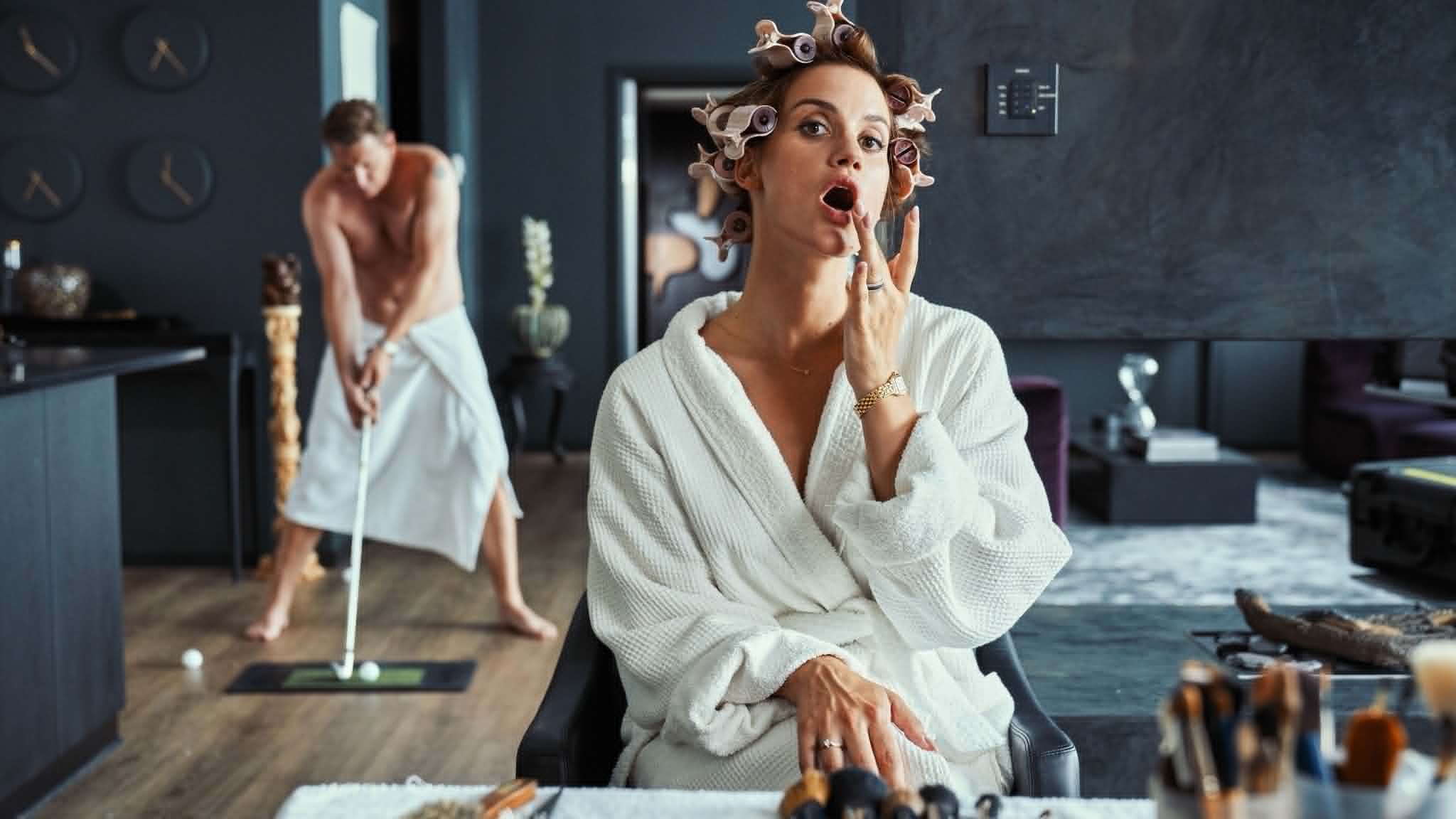
And so one of my ideas for the movie was this mothering group. But then I had to figure out the plot, what’s gonna happen, but I knew there was a comedy here. I came up with the idea, but I’m not a scriptwriter, so I interviewed and met with so many scriptwriters asking what they would do with it. And I only had a very tight budget, but I found a director who was a big name in Denmark, and she’s very good at comedies. And she said, “I’m not gonna do it. I will read it, and I will give you notes, but I’m not gonna do it.” But she was my only hope. If we could meet her, get her on board, then we could get funding, because in Denmark, you have to get funding from official state funding systems. And you need some good names to get that funding. So, we went to her house, and she’s like, “Well, I’m still not gonna do it. But I read it, and it’s pretty good.” So we spent two hours with her, and at the end of those two hours, I got her to jump on the project.
Wow! Closing the deal in the room!
I was so, so nervous. I was this young producer, I had nothing to my name. But then the producer who produced Another Round and some other big, big films in Danish film history, my colleague Sisse Graum Jørgensen, agreed to help me. So we got all the money, and within not 12 months, but 18 months, we had it done. We made it. And that’s how I broke in.
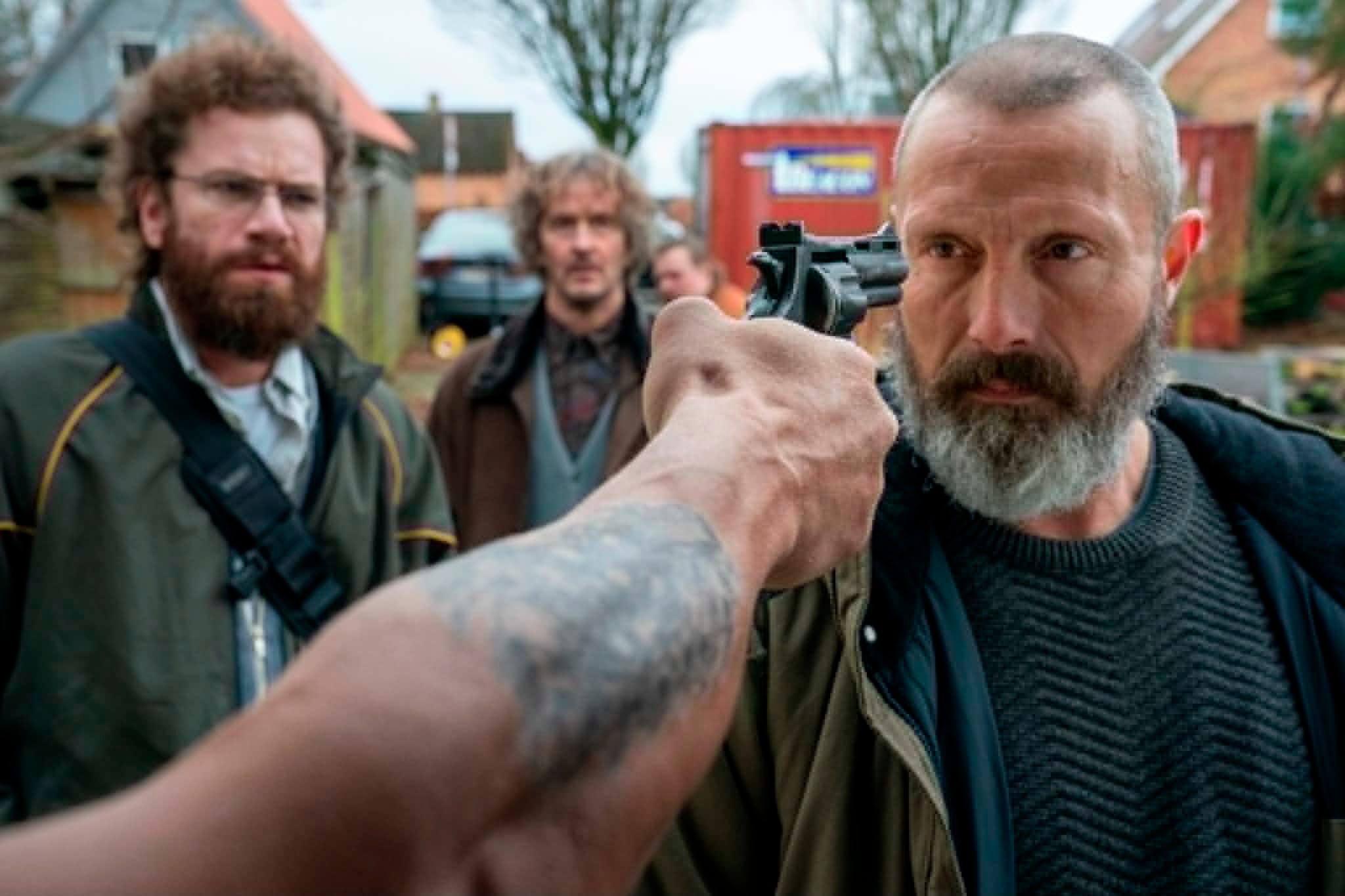
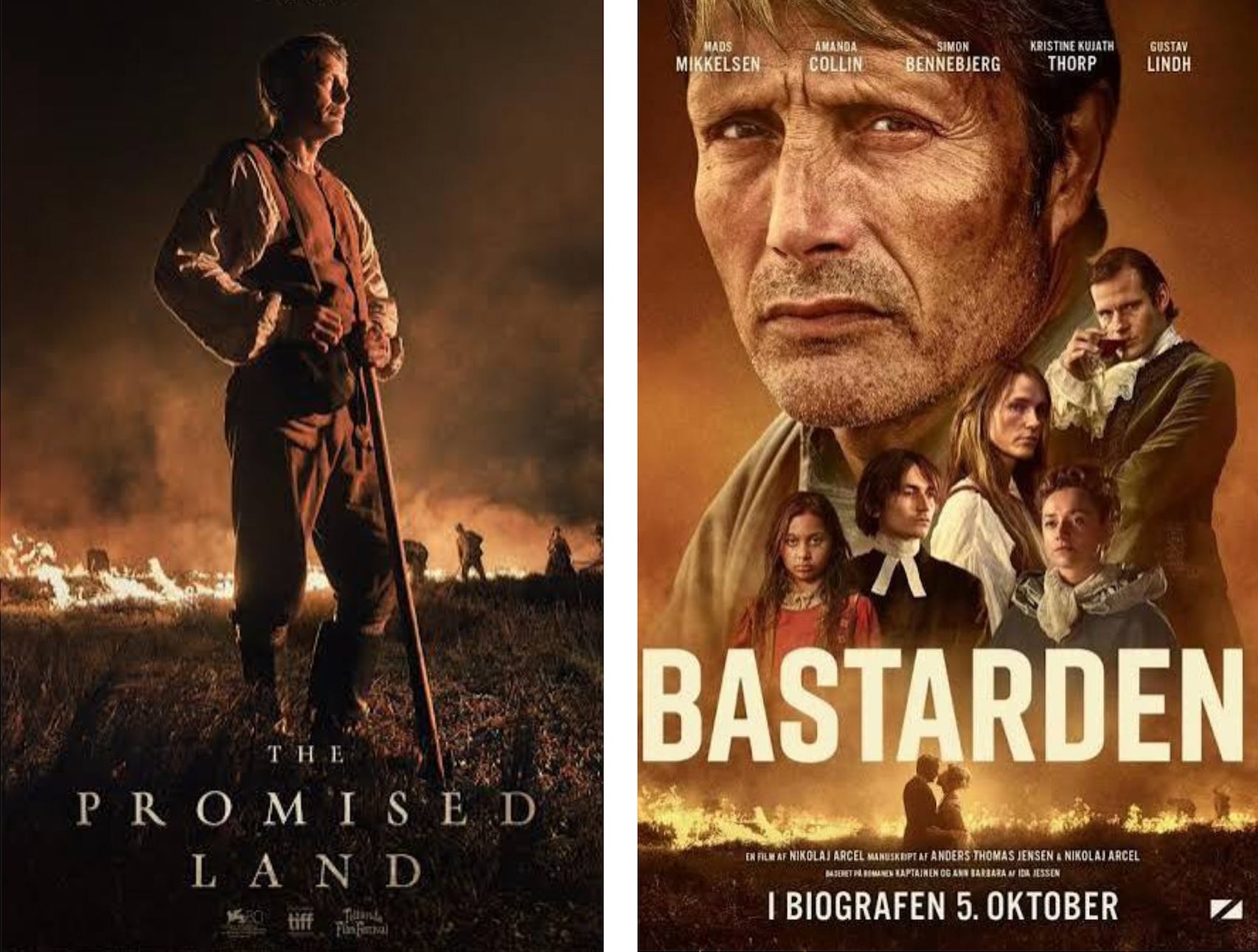
After that, I co-produced with Sisse a big movie with Mads Mikkelsen called Riders of Justice, which is a great movie by a great Danish director called Anders Thomas Jensen who has done some amazing work. And I was in development on a film with another great Danish director called Nikolaj Arcel which is called – well, the Danish title is The Bastard, but the English title is something else, The Promised Land. Another great movie, also with Mads Mikkelsen.
But I think my biggest passion is comedy, though I find comedies to be the hardest to make. Because for a comedy to be funny, there has to be a lot at stake. You have to really feel all the emotions. Take Bridesmaids: there has to be some pain underneath all of the humorous stuff. It’s a woman who is broke, she only has one friend left in the world, her mother is an idiot, everyone around her is just annoying. (I actually studied Bridesmaids a lot, as well as other Hollywood comedies, for my comedy work.) But it’s the entire pain that lies underneath the story that is so important for the funny stuff to work. It’s layered on something that’s very real.And then there are so many different layers to humor. There’s physical humor, the Chris Farley type of humor. And then there’s subtle humor or dark humor. Comedy is so complex, and I love it. Humor also varies a lot, depending what culture you come from. Like in Denmark, what we find funny is not what you would find funny.
What is the Danish sense of humor?
It’s very dark! I love the Coen brothers. I love the tonality of Quentin Tarantino, stuff like that. I think most Danes like that stuff too.
I was fascinated by this idea of special Danish Christmas programming. Tell me about that, because it’s something we don’t have in the US.
It’s been there since the ‘60s; it’s called the Christmas Calendar. It’s a drama series in 24 episodes, with 24 minutes per episode. So, 24 times 24. And it’s a family show, for children but really for all ages. And it’s generally a “Will we make it in time for Christmas?” kind of plot – you know, that sort of big thing.
And every year there’s a physical Christmas calendar, where you open a little door every day for the 24 episodes, and there’s a booklet with cards that you trade. It’s a huge thing and kids will trade cards with each other from the Christmas calendar, so there’s a huge merchandise line. It’s one of the most watched series every year for Christmas, 24 episodes full of action and fun.
Americans, take note! Honestly, that’s such a good idea for family programming that I’m surprised the US hasn’t caught onto it yet.
Yeah Americans, take it!
What are some of the biggest challenges that you feel like you face in your role?
Conflict! All the “No’s” I have to say, everything I have to turn down, and I feel so bad about it. But we get so many pitches and every day we have to say no because it doesn’t fit the slate that we have. And the movie industry in Denmark is very small, so we all know each other. And so I will meet everyone at these industry events after I’ve just turned down their pitch, and I just have to tell them, “I’m sorry, it was really great idea.” I hate that, but it’s just it’s part of the job.
People say Hollywood is a small town, but this is much smaller!
There’s like six million people living in Denmark. So it is very small. Giving notes when we’re in like the development phase or even in the edit room is hard too, [especially] if I come with notes and they don’t agree. I just have to say, “This is not my personal opinion. TV2 can’t show something that is this violent or this scary, we do have rules. The streamer works this way.” I have to implement the overall TV2 strategy in every show that I make. So that’s a big thing – how can I translate that so that the creatives will understand and still make them feel like this is [their] TV show. It’s not mine or TV2’s. We don’t want to take the autonomy away from the creatives. But it is really hard because in Denmark, there’s a big Danish film school tradition that the director has the final say. And it’s not the same with drama series with streamers. If you do a Netflix series, Netflix has the final say. If you do an HBO show, HBO will have the final say. And that goes against the Danish tradition when it comes to movies. So that’s very new, and they will oppose that, and they will fight us for that – which they should! I just try to find a middle ground. How can we get what we want and how can you tell the story that you want to tell?
You mentioned earlier that you got married young. You had three kids, and that’s a big part of your life. What has helped you to find that balance between that and this big role that you have in the Danish film and television business?
My husband. I have a great husband. My job is about two hours away from us, so I commute several times a week to Copenhagen. He has great faith in me and he’s never been jealous or anything of when I need to travel, he’s always been very understanding. For the first many years, when I didn’t make a lot of money and I was a struggling producer, he was the one who made the money. We made it work, and he wasn’t angry with me that I didn’t make a lot of money. He always said, “We’re building something here, go for your dreams.” He kept having faith in me, even on the days when I came home crying, when I got “No’s” from people saying, “We’re not gonna support your movie.” Without him, I wouldn’t have been able to do it, really.
You’re not an active member of the LDS Church, but I’m curious if your faith background has played any role in your career.
I did grow up LDS and I left when I was 35. But not really, no – maybe on the contrary. In the beginning, when I first started at Zentropa, the film culture was so different from what I grew up in. But [my colleagues] were all so supportive and nice and understanding of everything. I think I just had to learn to view art in different ways than I had growing up – I could now just sit down and feel art and watch it and be like, “Okay, how did I feel watching that?” and make the judgment of my own. Instead of feeling, “I shouldn’t have watched that,” I could go, “I think actually this is beautiful” or “This really moved me.” I kind of let go of some stuff in my own mind to find my own creative self, if that makes sense. Not to say anything bad at all about the LDS Church. It was just the way I evolved; I allowed myself to get immersed within movies in a different way that I ever had before. So that was kind of my transition away from the church.
What advice would you give to a younger version of yourself, if you had to do it again?
Keep going, keep believing in yourself, and that you are worthy. I had kids at a young age, I was married, I did all the right things, but I really wanted a career. I wanted something that was mine. I had this creative side of myself that has always taken up a lot of me, and I felt like when I had kids, I felt trapped in a way. I loved it, and I nannied for five years, I’m very good at doing everything related to kids. But I needed an outlet for my creative energy. To anyone who has that feeling, just keep going, never stop.
One thing that I hear from young talents is, “I want to be a writer. I have all these scripts!” I say do anything you can to get into the movie industry, get any assistant job. I don’t care what it is. “But I want to be a writer!” I know you do. But become that assistant, take out the trash for whoever, just get into the building. Then work yourself up. Be humble, be very, very humble, and they will see you, and they will help you.
And finally, if you find that spot where passion and work life meet, it’s so great. But there’s so many sides to it. It never will be perfect. There will always be a downside, and that’s okay. Winning a prize for some movie that you made [is great], but then your kid had a bad day at school, and you realize nothing else matters.
Thank you Ann-Alicia for the insightful interview about Danish filmmaking. I’ve always wondered how you got the job nannying for the royal family and now I realize it was your writing talent and determination—reaching out with a letter! You clearly have drive, talent and passion.
Loved reading how supportive your family is of your work.🇩🇰❤️
Lovely individual, cool stories, and amazing advice!